


The Future of AI in Industrial Control Systems
Artificial Intelligence is not dying. It is maturing—painfully. Every few years, technology reaches a point where hype outruns economics. The recent warning that today’s 20-dollar AI tools could soon cost five hundred is one such signal. The market will correct itself, and the correction will hurt.
Artificial Intelligence is not dying. It is maturing—painfully.
What went wrong? AI was forced into every corner of business life, often without a purpose. Instead of helping people think better, it was told to think for them. Instead of solving real problems, it was asked to “add value.” And now, as energy-hungry models meet the reality of power bills and cloud invoices, we are discovering that intelligence without efficiency is not progress – it’s waste.
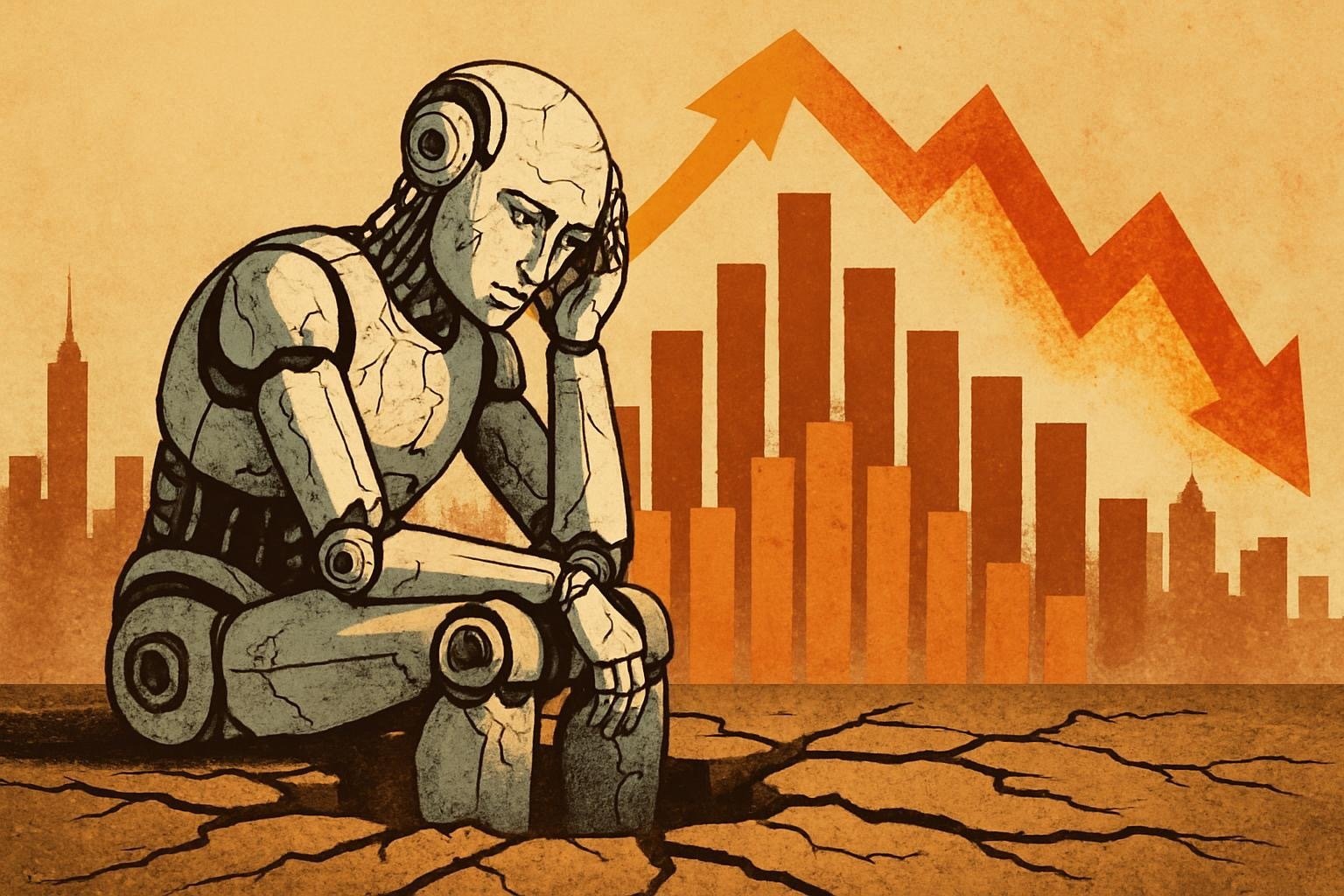
Instead of helping people think better, it was told to think for them.
Yet, when used with discipline, AI is not a dead horse. In my recent experiments, simple workflows built on n8n and ICS Secure Data Transfer already show how small, focused models can interpret control-system data, combine it with human logs or operator notes, and point directly to the root cause of a trip or alarm. No need for fancy dashboards to visualise data. No buzzwordsU, Data Diode, Protocol, Report, Chart, Scrum …. Just answers in human voice.
This is where AI truly belongs – in the control loop, not the boardroom. A modest system trained on plant-specific knowledge can read historian trends, understand operator language, and cross-check them in seconds. That is real intelligence: connecting dots that humans describe in natural language, not replacing them.
That is real intelligence: connecting dots that humans describe in natural language, not replacing them.
So, should we punish the dead horse? No. We should stop overfeeding it. The power of AI lies in ability to understand human language and connect hard to spot dots. When built into tools that already work it becomes sustainable and useful.
The power of AI lies in ability to understand human language
The future of AI is not everywhere. It is exactly where it helps people work better, faster, and safer.